
Digital Literacy Programme: 12 Students Get Free Laptops and a Brighter Future
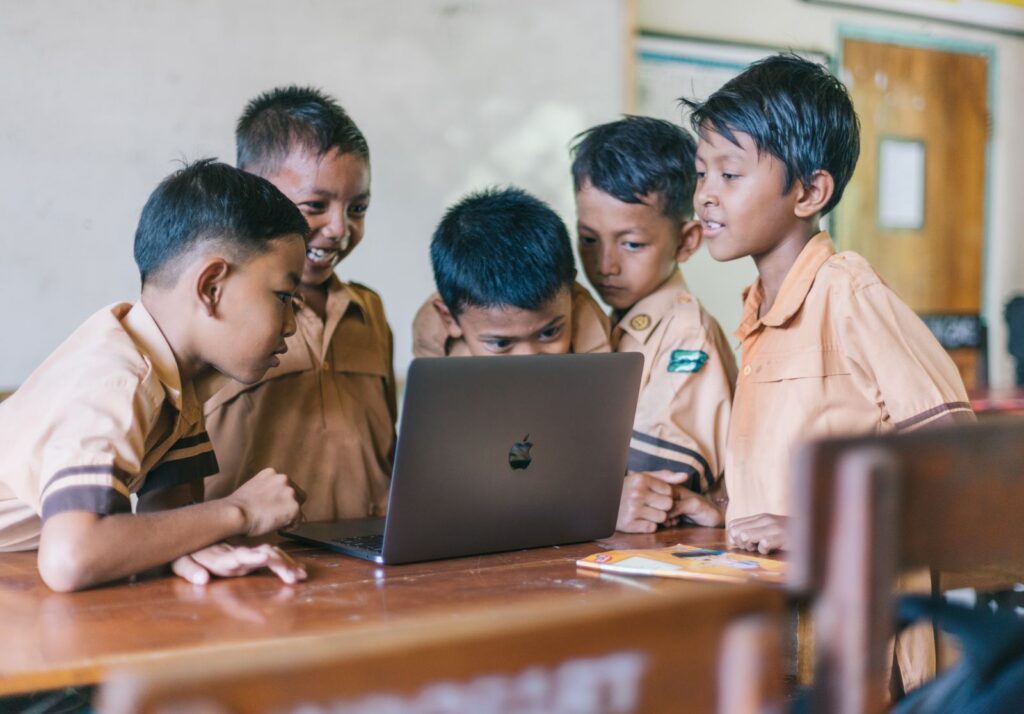
Every child deserves a fair start in a digital world. That is why Magicsoft Asia Systems launched a digital literacy programme for primary school students in Malaysia, giving free laptops, mobile data plans and a structured 12-month course to children from B40 families.
This initiative is part of our wider commitment to corporate social responsibility: taking part in building a brighter, smarter generation.
Why We Started a Digital Literacy Programme
Today, much of learning happens online. Homework is submitted through Google Classroom, research starts with a search engine, and future careers increasingly depend on confident computer use. Yet many children still grow up without a personal computer at home.
For families in the B40 income group, a laptop and a reliable internet connection can be out of reach. Without them, children fall behind not because of ability, but because of access. This digital gap was the reason we decided to act.
As a software company that has been building technology solutions since 1997, we know first-hand how digital skills open doors. Sharing those skills with the next generation is a natural way for us to give back.
Free Laptops and Data Plans for 12 Students
Working with our partner Cikguteo.com, we provided laptops and mobile data plans to 12 students from Standard 2 to Standard 6 at SJK(C) Hwa Nan. This first batch of students all come from B40 households, and several are raised by single parents.
For many of them, this is their very first personal computer. Each student receives the device and data plan free of charge for the duration of the course.
A laptop alone, however, does not change a child’s future. Knowing how to use it confidently and responsibly does. That is why every device comes with a full digital literacy programme.
What the Digital Literacy Programme Teaches
Since April 2026, students have attended in-person classes every two weeks with a teacher present. The curriculum moves step by step from the basics to future-ready skills.

1. Computer and internet basics
Students begin with keyboard skills, then learn how computers and the internet work. They explore the Windows 11 and Android operating systems, and practise naming, saving and organising files.
2. Everyday productivity tools
Next, they learn the tools used in school and at work: Google Workspace, Microsoft Office, Gmail and Outlook. They are already creating and presenting their own projects in Google Slides.
3. Search engines and AI tools
Students discover how to find reliable information online and how to use AI assistants such as ChatGPT and Gemini as learning aids, not shortcuts.
4. Digital ethics and online safety
Being online comes with responsibility. A dedicated ethics module teaches students to protect their privacy, think critically about what they see, and treat others with respect online.
5. An introduction to coding
Towards the end of the course, students try simple AI games and take their first steps in JavaScript. For some, this may be the spark that leads to a future career in technology.
Learning With Commitment and Responsibility
Our digital literacy programme is built on shared commitment between students, parents and teachers. Clear rules help every child get the most out of the opportunity:
- Parents give their consent for the full 12-month course.
- Students complete their assignments and show a positive attitude to learning.
- Teachers who join are welcome to attend the classes and support as volunteers.
- The programme stays focused purely on education and is never used for any political purpose.

From Learners to Mentors
One of the most powerful parts of this programme is what happens after graduation. When students complete the course, they join the Cikguteo.com community as volunteers and help guide the next batch of learners.
This creates a cycle of learning that grows with every batch. Each graduate becomes a mentor, and each mentor helps another child take their first confident steps into the digital world.
How This Digital Literacy Programme Fits Our CSR Mission
Education and digital literacy is one of the core pillars of our corporate social responsibility work. With offices in Singapore, Malaysia, Indonesia, China and Myanmar, we want the communities around us to benefit from the same technology we build for our clients.
The same values guide how we run our business, from protecting customer data under our ISO/IEC 27001 certified information security system to investing in the people and communities we serve.
This is only the first batch. We look forward to welcoming more students and watching this first group grow from curious learners into confident mentors.
Frequently Asked Questions
Who can join the digital literacy programme?
The first batch is open to primary school students from B40 families, selected together with the school and Cikguteo.com.
How long does the course last?
The course runs for 12 months, with in-person classes held every two weeks.
Do students keep the laptops?
Students use the laptop and data plan free of charge throughout the course, as long as they follow the programme rules and complete their learning.
How can my organisation support future batches?
We welcome partners who share our goal of building a brighter, smarter generation. Contact our team to find out how you can take part.